Published by the Vermont Community Newspaper Group on June 9, 2023
As soon as I opened my car door, I could hear rushing water. The sound drew me through the wooded ravine, getting louder and louder until I could finally see the water racing and tumbling down its rocky course. The brook drops 300 feet in elevation in a little over a mile, and the energy in the falling water had powered a string of mills that had operated for more than a century in this Chittenden County town. I had come to see what remained of those mills, and especially one in particular of a type I’d never seen before – an excelsior mill built in the 1870s.

As I stood at the top of the steep bank, I could see a long stretch of the valley below me crisscrossed with stonework. I tried to match what I was seeing on the ground to what my historic maps and photos were showing had once been there. Far upstream I could see a partially breached stone dam crossing the brook, and further downstream were the remains of two other dams. I was also able to match three rectangular stone foundations on one side of the brook with the sites of an old woolen mill, saw mill, and grist mill shown on an old map. These mills would have been kept humming by the local nineteenth-century farmers, as they brought their wool, logs, and grain in to be processed by the water-powered machinery in these buildings.
The excelsior mill had been downstream of the grist mill, below the third dam and just out of sight. I pushed through the trees and worked my way downstream, keeping my eyes peeled for any stone remnants. Near the bottom of the long cascades I spotted the rectangular stone foundation walls that matched the location, shape and size of the excelsior mill. Although the sound of the running water dominated the site now, I knew it had once been even louder with the machinery that had been working there.
Excelsior is finely curled wood shavings that are soft when compressed but spring back when released. In the nineteenth century, these qualities meant it could be used for upholstery stuffing and mattresses, and for packaging and shipping (the equivalent of today’s foam rubber, packing peanuts, and bubble wrap). The highest quality excelsior was made of the soft wood of basswood and poplar trees, which are both native to Vermont.
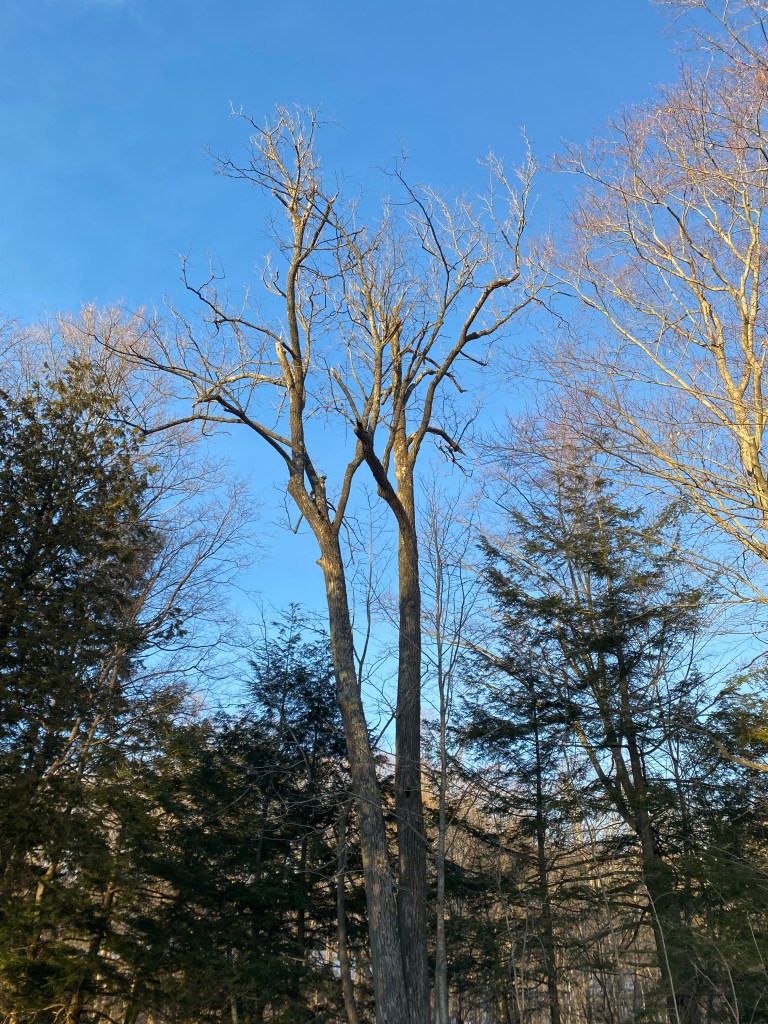
At its peak in the later 1800s, this mill was making 1000 pounds of excelsior per day. The multi-step process started with debarking and cutting the wood into short lengths, and splitting it into halves or quarters. The wood chunks were then fed into specialized shaving machines. The brook’s running water turned a waterwheel that ran the shaving tools to make the slender, curly slivers of wood. The final step for most excelsior mills was to bale the excelsior to make it easier to transport. Local historical accounts note that this mill’s excelsior was used primarily for mattresses and to line coffins made at a manufacturing plant in Bristol.
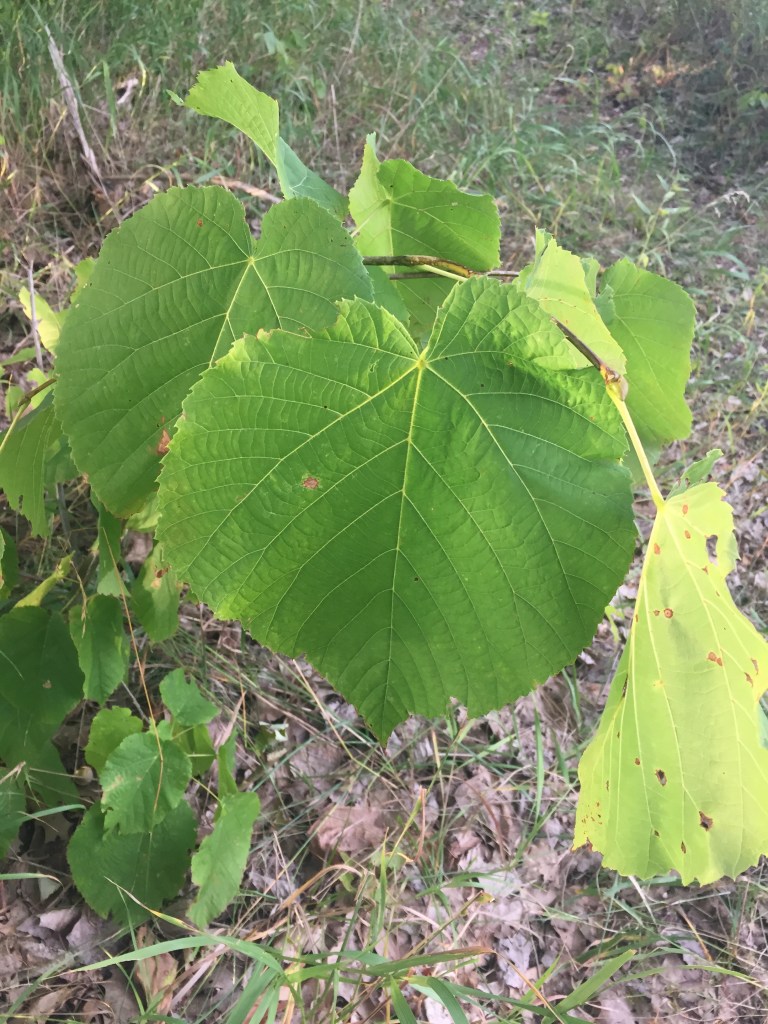
Having successfully explored the excelsior mill site, I started back to my car and turned my attention to the trees I was walking through. The ravine had many basswoods! Their very large, asymmetrical, heart-shaped leaves were unmistakable. Their flower buds were forming, and would open in the early summer. Their flowers are known for their strong fragrance and copious nectar, attracting many bees and giving the tree its alternative name: “bee tree.”
Many of the basswoods were very large – some two feet or more in diameter. The larger ones had holes in their trunks, since the heartwood of basswood trees rots easily. The hollows are often made by woodpeckers, and used as dens by squirrels, raccoons, porcupines, and owls.
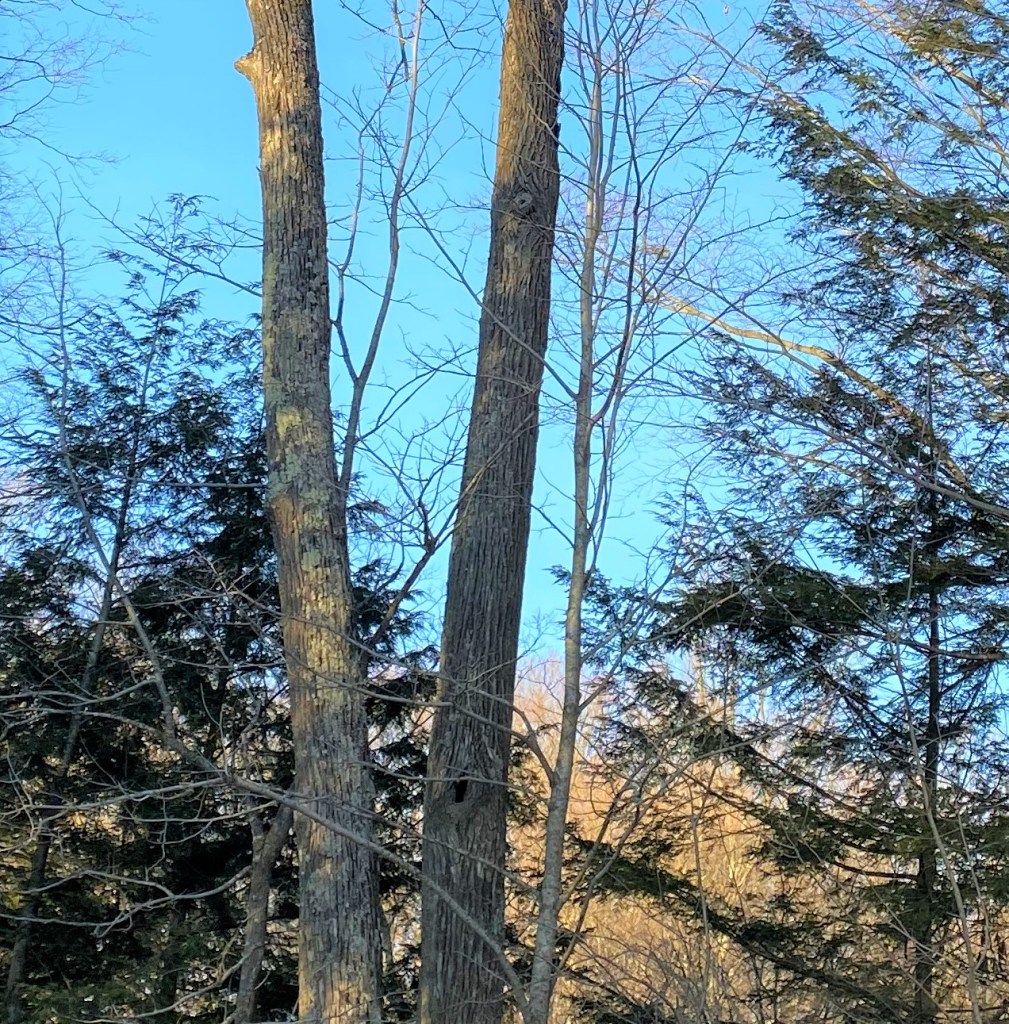
As I walked past one basswood tree hollow, I saw a squirrel poke its head out of the hole. I thought how fitting it was that this site and this tree species that had made soft mattresses for people in the past were now making bedding places for small mammals.
Copyright 2023 Jane Dorney
 Jane Dorney